A debtor's perspective on a complex governmental system
Context
During my graduation project for Communication and Multimedia Design (CMD), I worked as a one-person UX team at the Centraal Justitieel Incassobureau (CJIB), the Dutch government agency responsible for collecting fines and government claims. My assignment focused on improving digital services for people who are unable to pay their fines or health insurance premiums. The broader challenge was to optimize the user experience for a highly diverse group of users, many of whom struggle with problematic debts and financial stress.
As the only UX designer in the team, I took on roles ranging from UX researcher and strategist to visual and interaction designer. My primary task was to bridge the gap between the organization and a vulnerable user group; citizens with payment problems.
Research & Insights
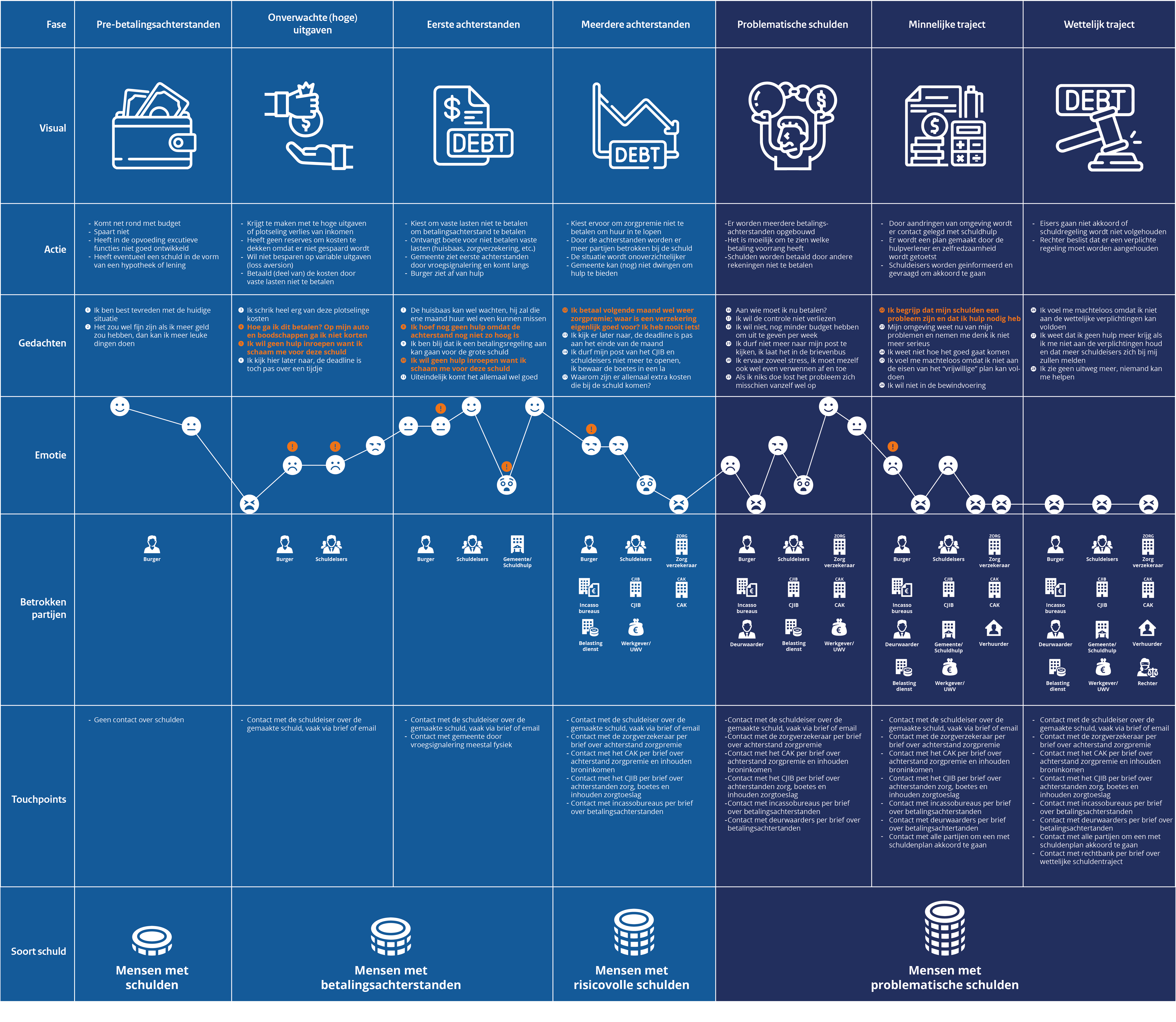
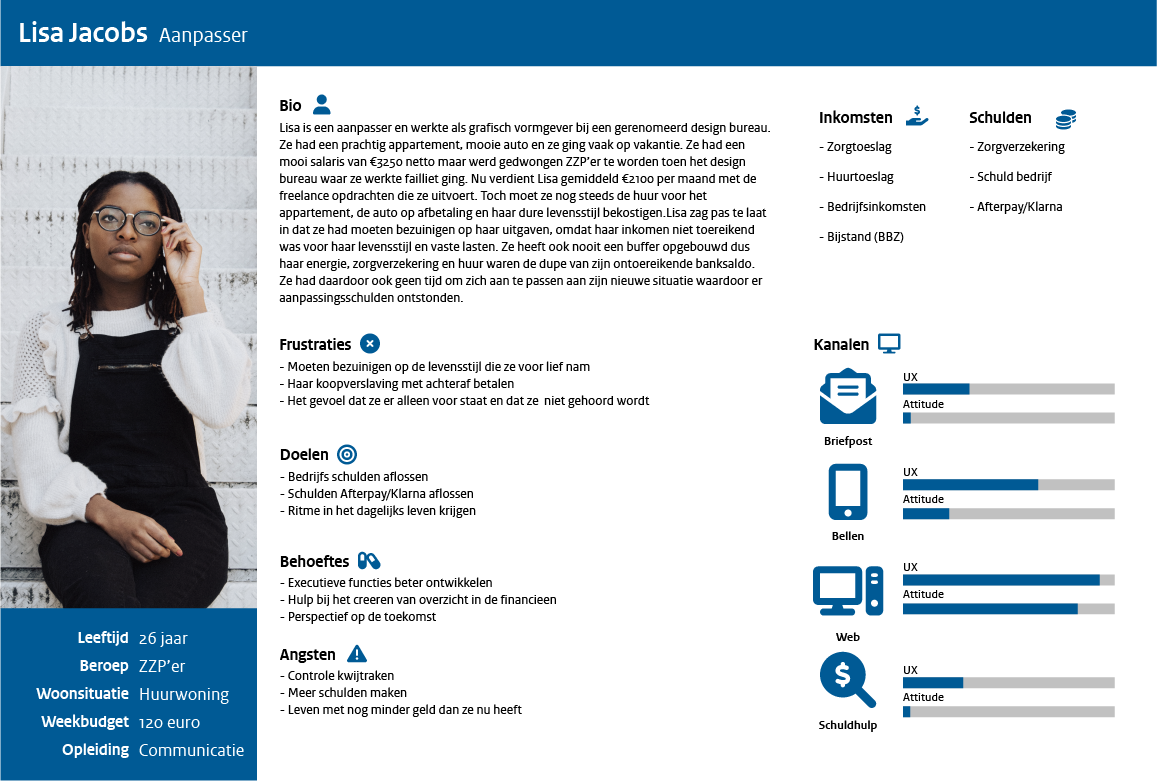
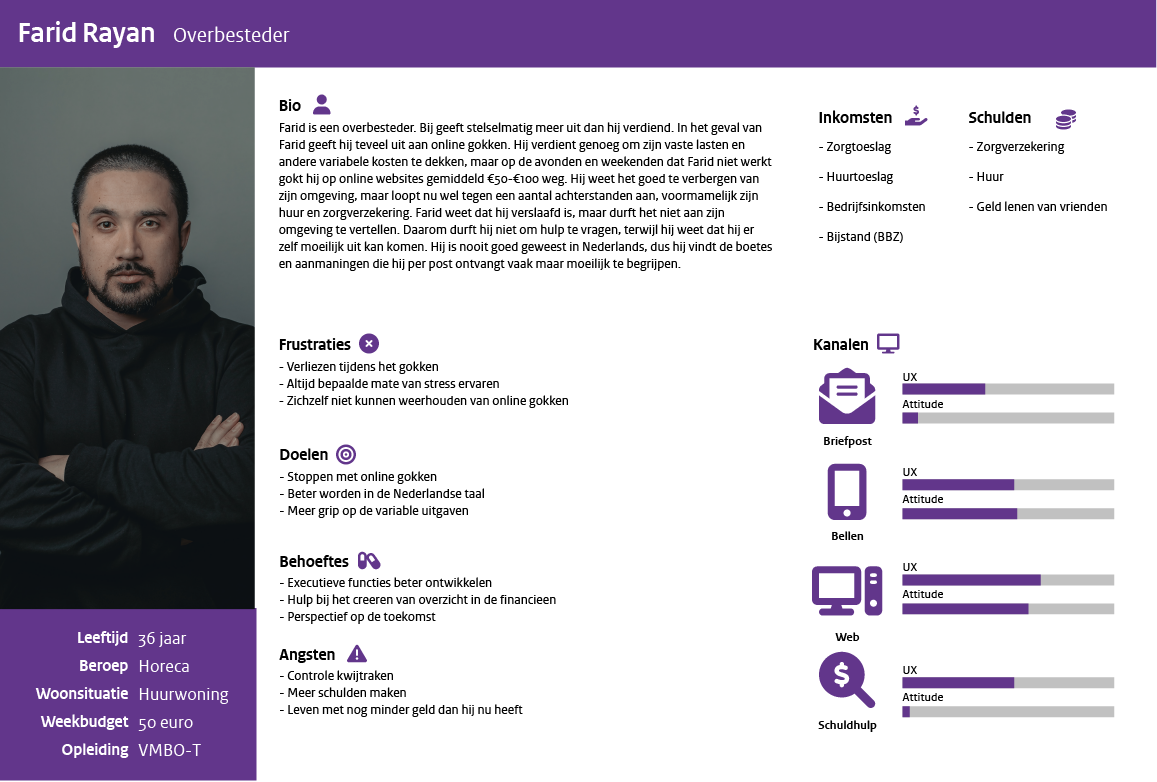
After extensive research into the complex environment of improving the CJIB digital platform, I came to the conclusion that the dept collection proces for people in the health insurrance is too complex. People with problematic depts will stop paying health inssurance to pay of other depts which leads to more dept. They will not seek out help because they are ashamed of their financial situation and therefore will not receive help untill it is too late.
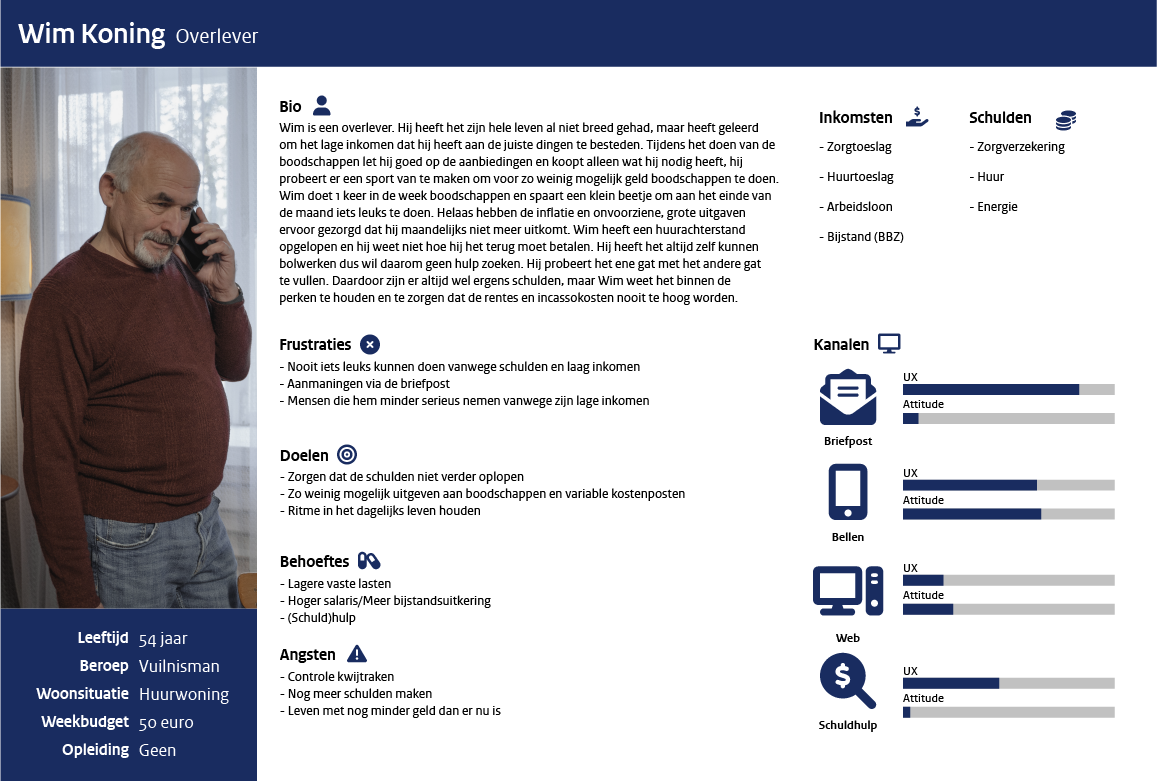
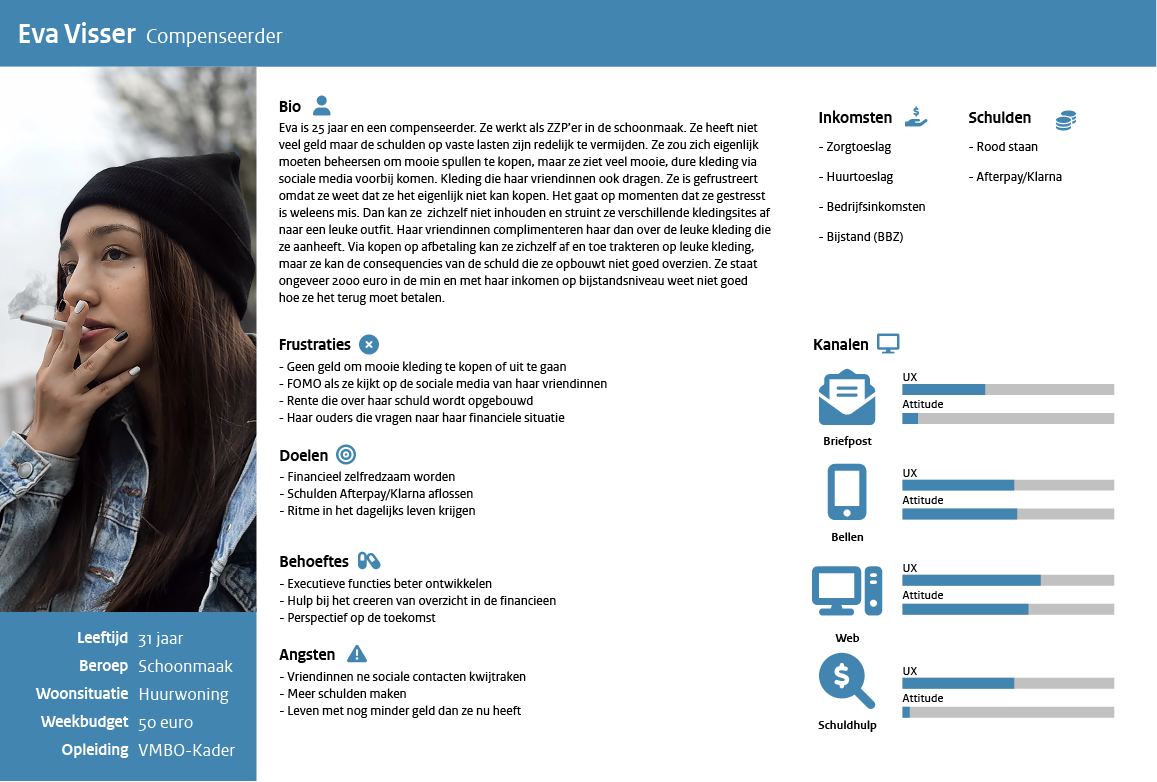
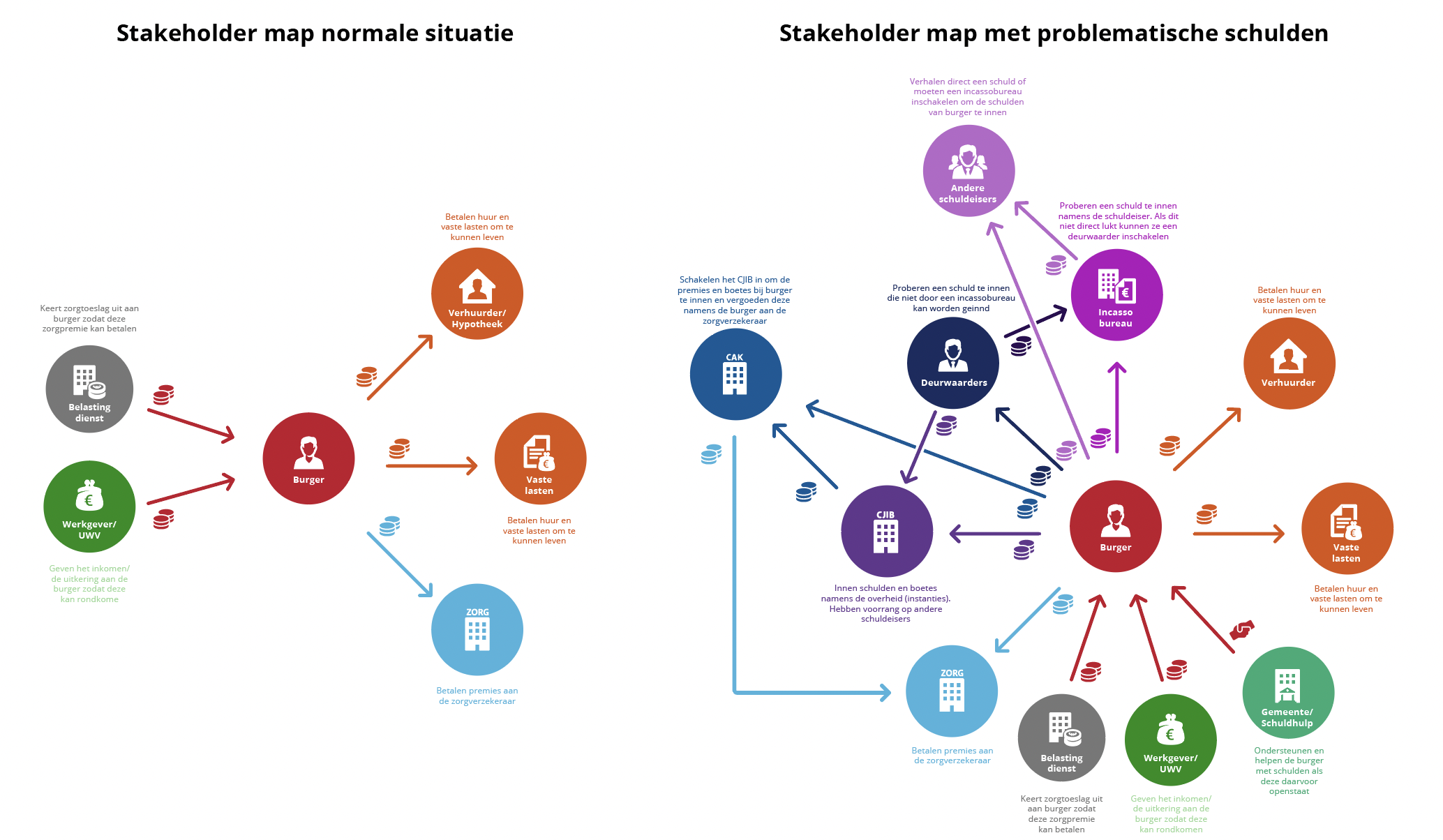
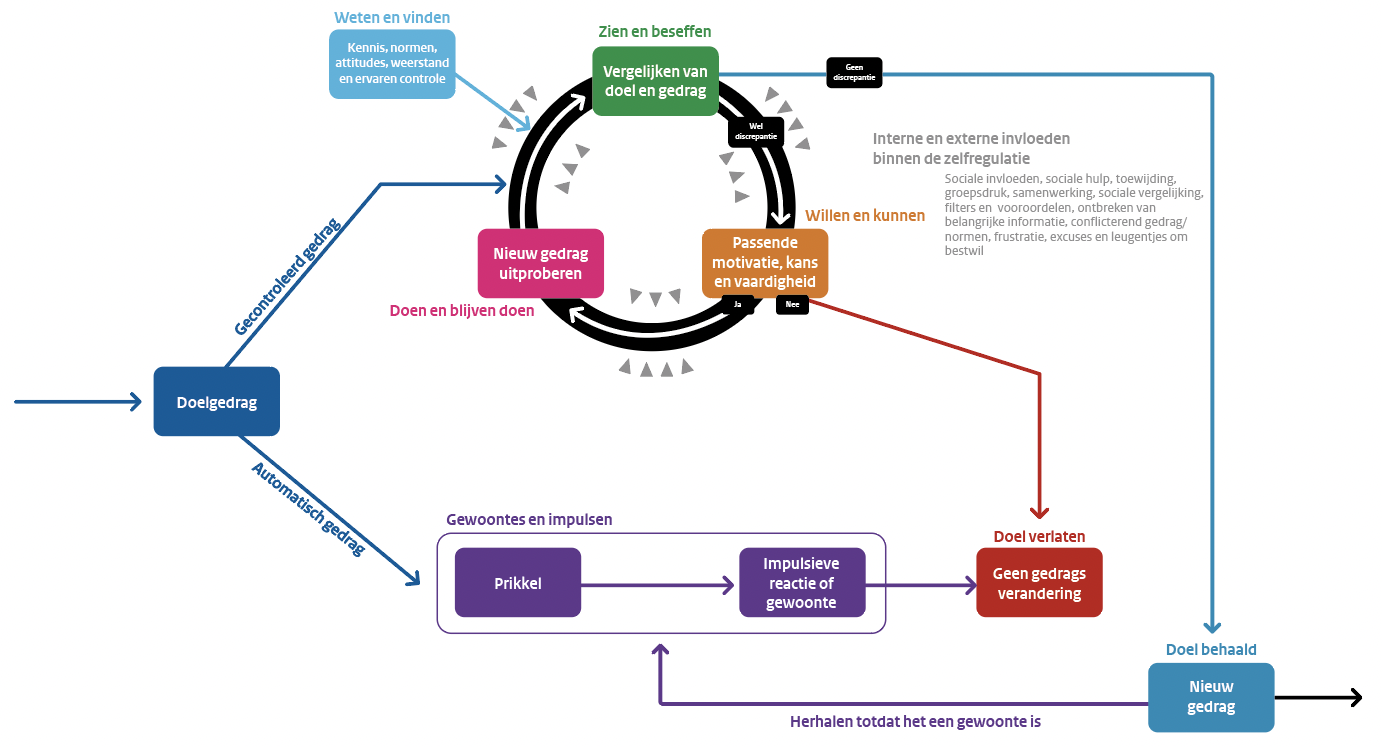
Other valuable insights were; Many users have low digital and financial literacy, face chronic stress, and experience shame or avoidance related to their debts. Existing digital tools require too much cognitive effort and are not tailored to the needs or abilities of the target audience. Motivation to follow through on payment plans is low; users often do not maintain arrangements even when initially made. Behavioral barries like; a lack of oversight of the toal financial situation, the negative perception of the CJIB and creditors that leads to avoidance and resistance and complex processes that deter users from seeking help. Below you can see the difference between a stakeholder map of a 'normal' situation on the left and a 'problematic' situaton on the right.
Used methods
Design Solution
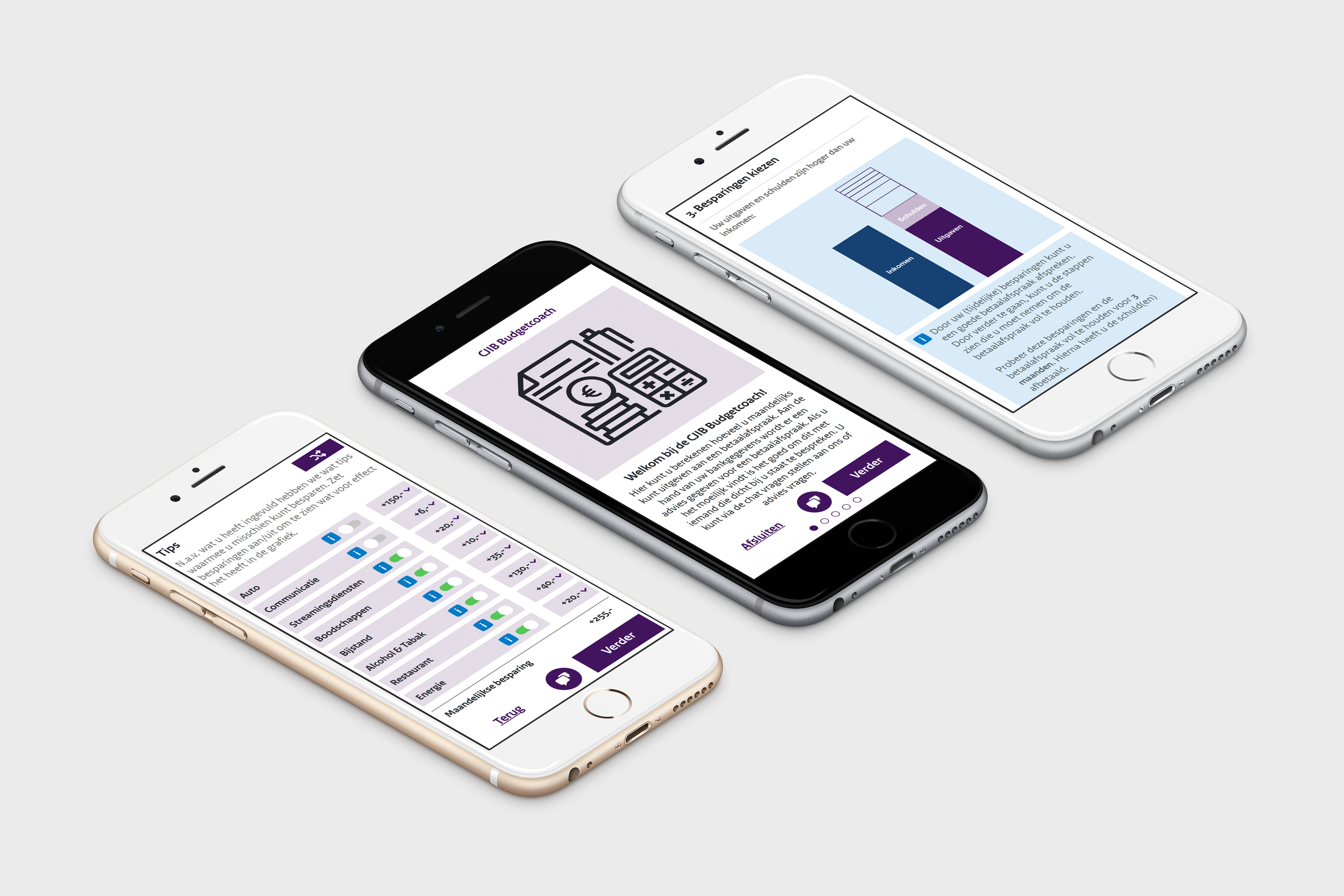
Based on research, I determined the most valuable intervention would be a digital tool that helps users calculate, plan, and maintain payment arrangements. The focus was on providing clear oversight, accessible guidance, and actionable advice, while keeping user autonomy central.
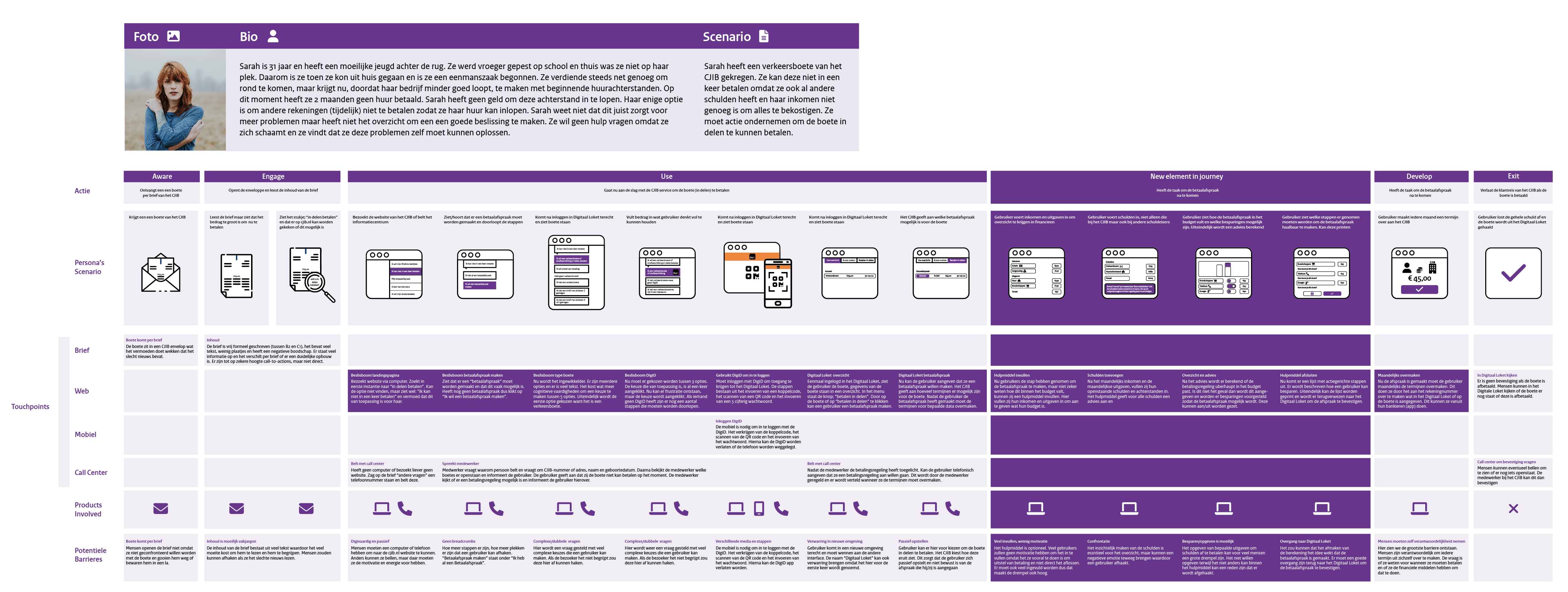
The things that had to be included in the prototype were: Simple Dashboards: Users can input income, expenses, and debts, with visualizations showing the relationship between these elements. Personalized Savings Tips: Actionable advice is generated based on the user's financial input, helping them see where they can save or cut costs. Step-by-Step Guidance: Short, simple sentences at an A2 reading level, with contextual help and explanations for every input. Support Integration: A chatbot and the option for live support, allowing users to get help at any point in the process. Data Import: Capability to import banking data to reduce manual input and cognitive burden. Printable Results: Users can save or print their payment plan to negotiate with creditors.
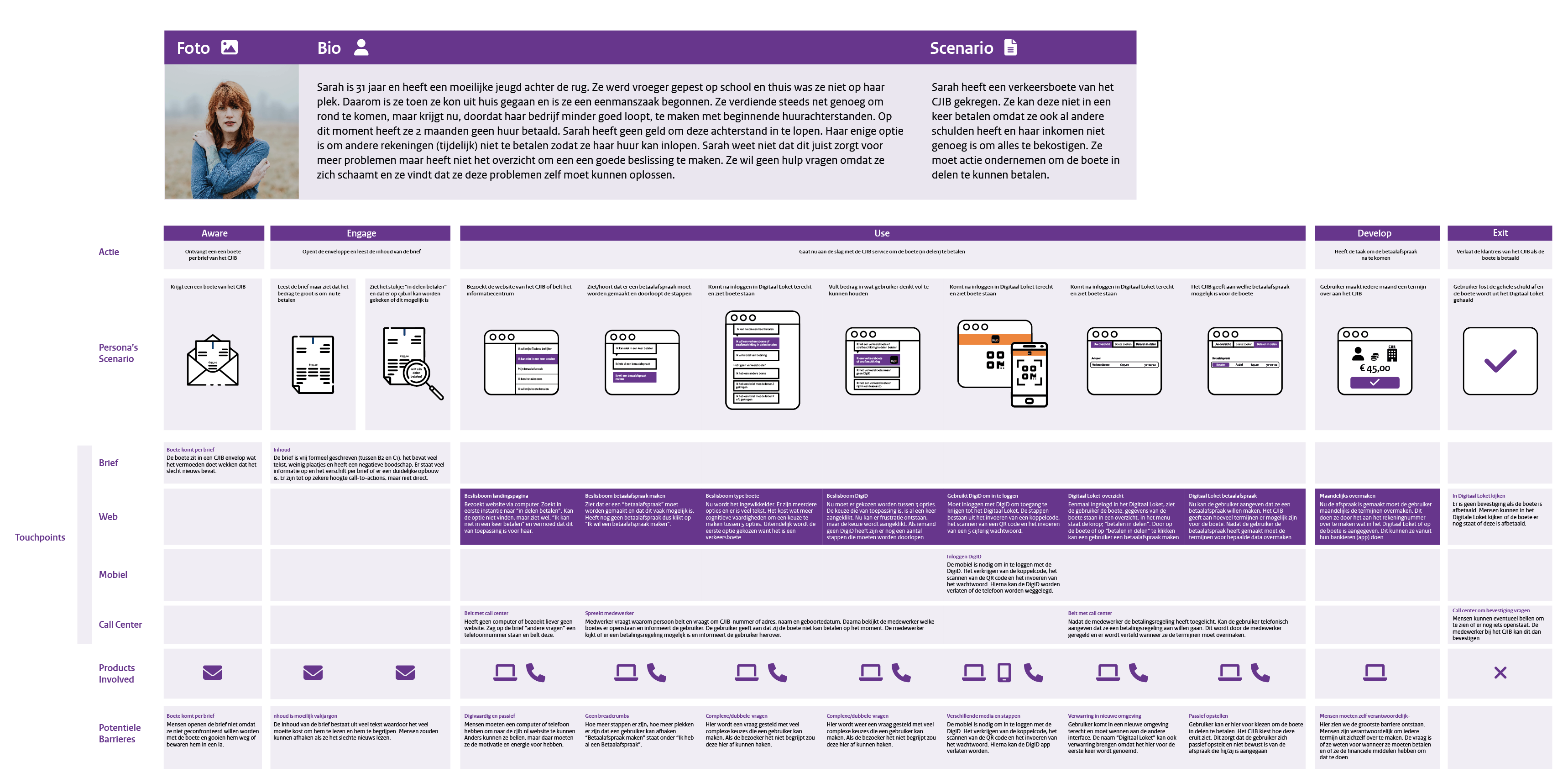
Prototypes were tested with social workers and people with lived experience. Feedback led to significant improvements, such as simplifying language, reducing the number of choices on each screen (to minimize cognitive overload), and clarifying the purpose and privacy of the tool. Action-oriented advice and hand-off to real support channels were made more prominent. Below you can see the wireframe prototype in action narrated in Dutch by me. Also the service blueprints are interesting to see the difference between the situation with and without the intervention.
Reflection
This project showed me the impact of user-centered design in socially complex domains. By prioritizing accessibility and behavioral insights, I was able to design a tool that not only addresses technical requirements but also resonates with users experiencing financial stress.
Ultimately, this project reinforced my belief in the value of inclusive, evidence-based design and how digital solutions can make a tangible difference in the lives of those facing difficult circumstances.